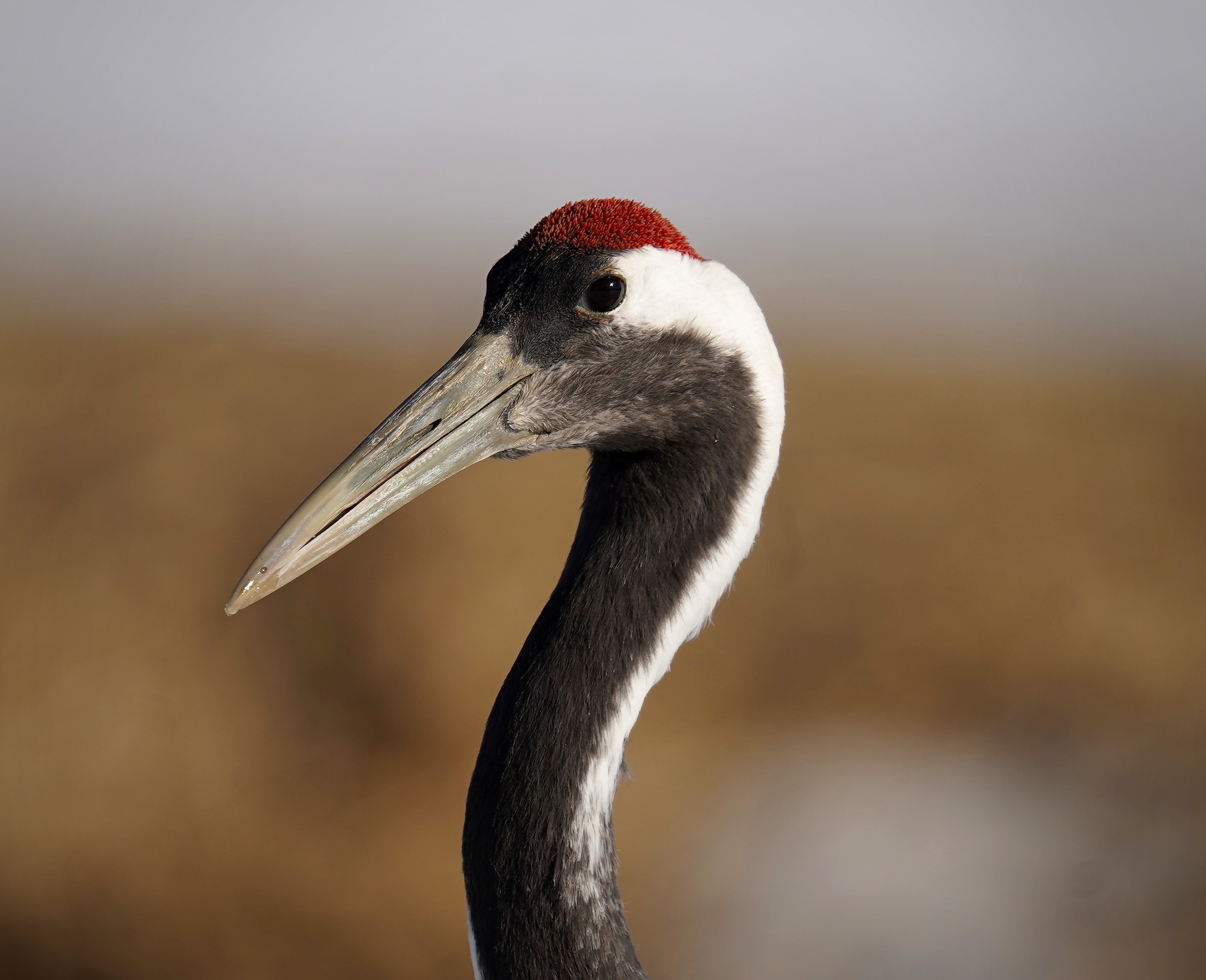
A visit to the Akan International Crane Center with Miyuki Kawase, to see the Japanese cranes…
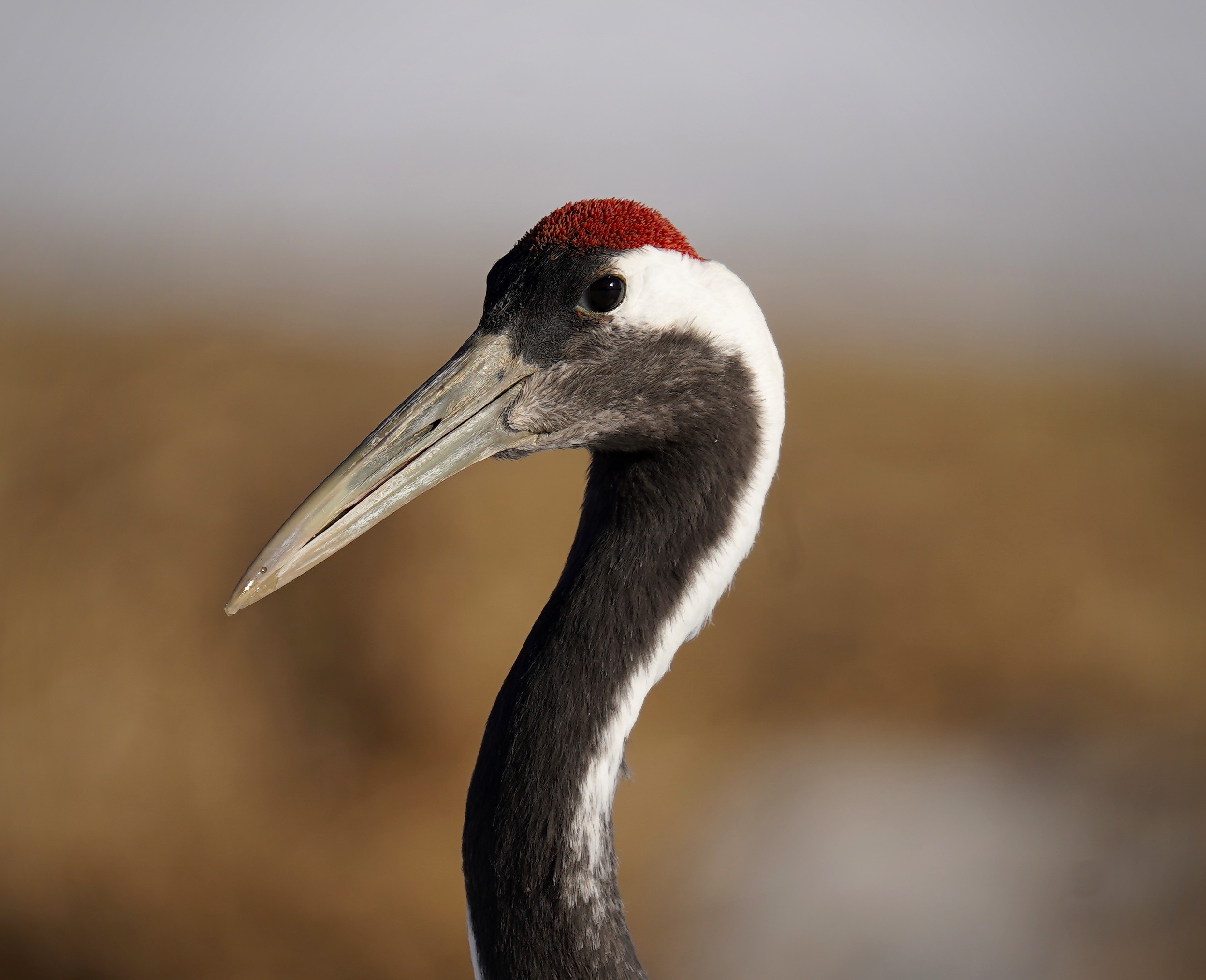
With its immaculate white plumage, elegant silhouette, and distinctive red patch crowning its head, the Japanese Crane (Grus japonensis) is one of the most iconic birds of East Asia. Known in Japan as tanchō, literally meaning “vermilion crown,” it has held a special place in Japanese culture for centuries, symbolizing longevity, fidelity, and prosperity. Despite its cultural significance, the species came dangerously close to disappearing from Japan at the beginning of the twentieth century. Declared extinct in the wild before being rediscovered in 1924 in the Kushiro Marshes, it has since become one of the world’s most remarkable examples of successful biodiversity conservation. To understand how this remarkable recovery became possible, and the challenges that still threaten the species today, we travelled to the heart of its natural habitat in the Kushiro region of Hokkaidō.
At the Heart of Conservation: The Akan International Crane Center
Near the town of Akan, in the vast wetlands of eastern Hokkaidō, stands the Akan International Crane Center. Established in 1996 following the closure and demolition of the observation center founded in 1975, the facility now plays a vital role in the conservation of the Japanese Crane.
During our visit, we met with its director, Miyuki Kawase, as well as Tomoo Yoshino, a keeper and Japanese Crane specialist at Kushiro Zoo.
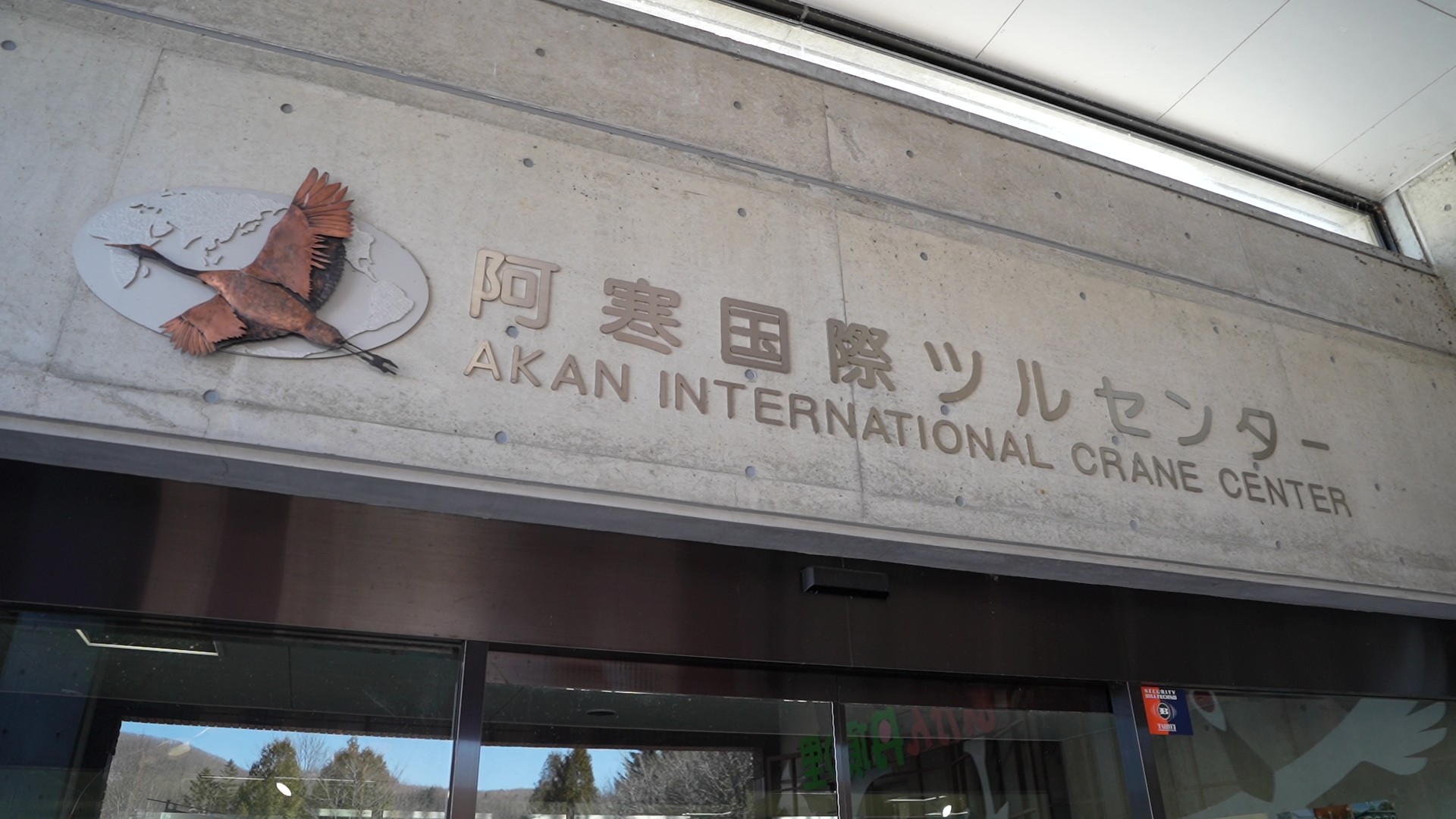
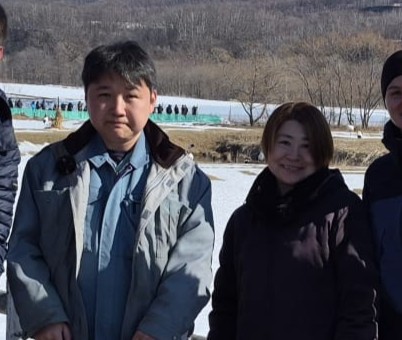
The center carries out public awareness activities, monitors wild crane populations, and contributes to numerous research programs aimed at ensuring the long-term survival of this emblematic species.
A Once-Abundant Species
Today, the Japanese Crane is primarily associated with Hokkaidō, but its historical range was once far more extensive. As Miyuki Kawase explains: «There used to be many Japanese Cranes throughout Japan."
The cranes nested mainly in Hokkaidō but migrated south during the winter, sometimes reaching the Kanto region. They could therefore be observed across a large part of the Japanese archipelago.
This abundance was made possible by the existence of vast wetlands. Marshes, characterized by their deep waters, provided ideal breeding habitats where eggs and chicks were protected while offering plentiful food resources, including insects, crustaceans, fish, amphibians, small mammals, as well as buds and fruits.
From Abundance to Near Extinction
The collapse of the Japanese Crane population resulted from the combined effects of several factors.
As agriculture expanded and urbanization accelerated, Japan’s wetlands declined dramatically. Faced with the loss of their natural feeding grounds, cranes increasingly turned to cultivated fields (particularly rice paddies) and gradually came to be regarded as agricultural pests.
For much of Japanese history, however, hunting pressure remained limited. As Miyuki Kawase explains: “Until the Edo period, only samurai were allowed to hunt.” The Meiji Restoration fundamentally changed this situation. Hunting restrictions were lifted and, in her own words," ordinary people were then allowed to hunt birds. “As a result, hunting pressure increased dramatically. Although several historical accounts suggest that crane meat was not especially valued as food, the birds appear to have been hunted primarily as trophies or as symbols of good fortune.
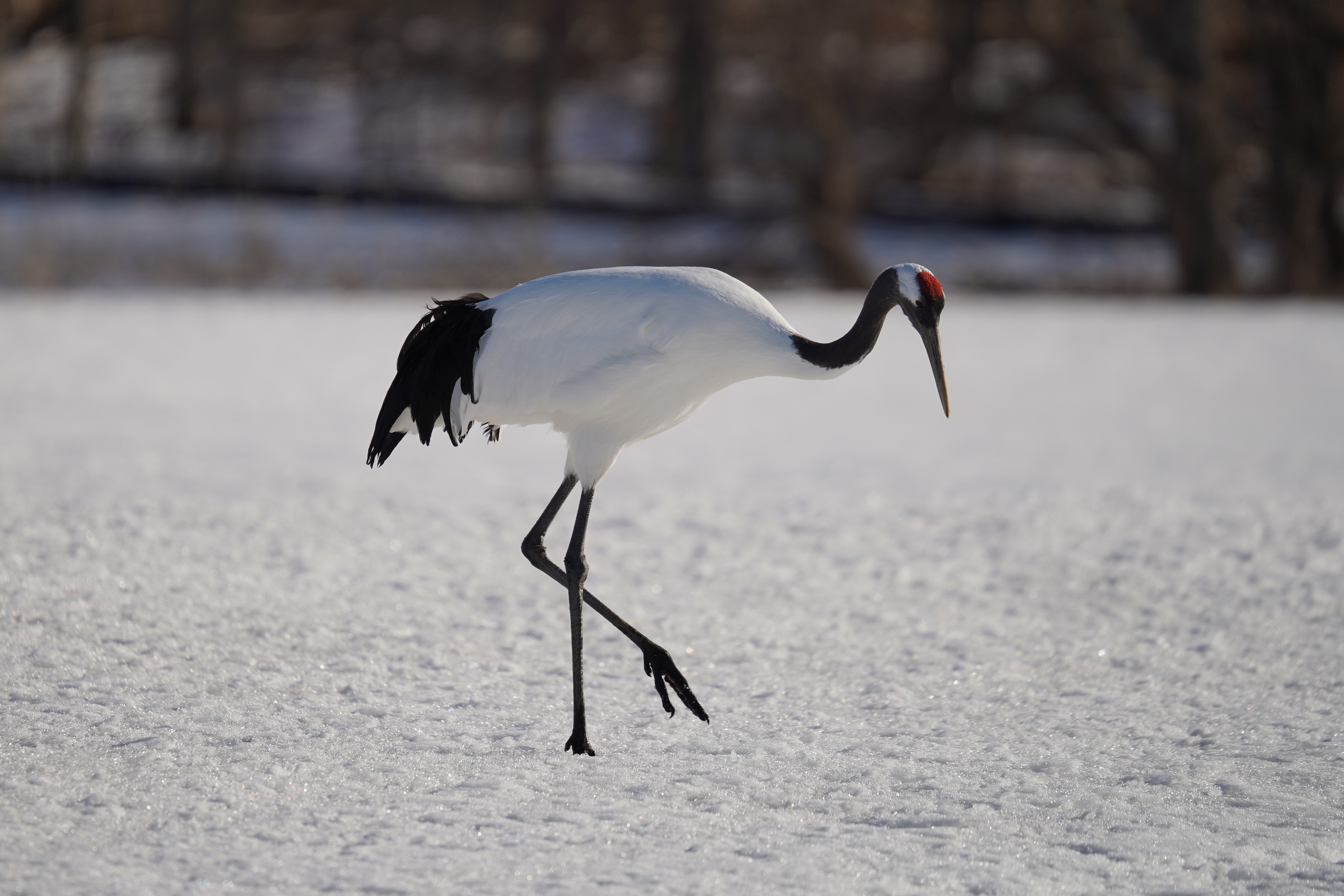
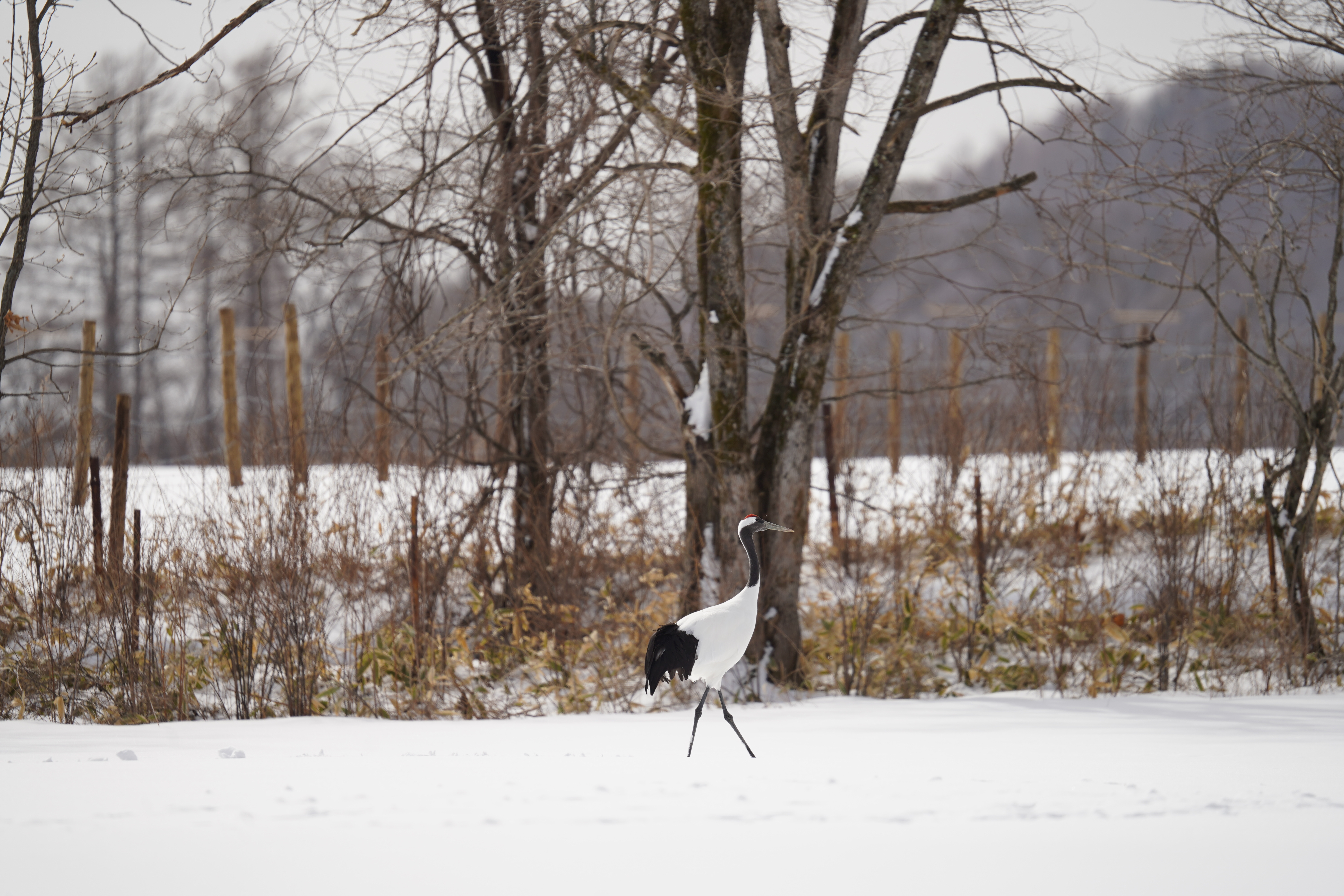 Photographs of Japanese Cranes (Photo credits: ©BiOdyssée)
Rediscovery and the Beginning of a Major Conservation Programme
At the same time, the drainage of wetlands to create farmland, combat certain diseases, and support urban development progressively reduced the cranes’ natural habitat. Faced simultaneously with habitat destruction and increased hunting pressure, the population declined rapidly, to the point where the Japanese Crane was officially considered extinct in Japan until 1924.
A few years later, approximately thirty surviving cranes were rediscovered in the Kushiro Marsh. This remarkable discovery marked the beginning of an ambitious conservation programme involving scientists, Japanese authorities, local communities, and farmers.
Among the first conservation measures was the establishment of winter-feeding programmes to help the birds survive Hokkaidō’s harsh winters. Tomoo Yoshino explains that: “Winter feeding programmes were introduced,” and that these initiatives continue to this day around Kushiro and Akan.
Following the rediscovery, the region was designated as a protected area where hunting was prohibited. In 1935, both the Japanese Crane and its habitat were granted the status of a National Natural Monument, a designation reserved for natural features considered to be of exceptional value to Japan’s national heritage.
This status prohibits the capture or killing of cranes, protects their nests and habitat, and facilitates funding for scientific research and conservation programmes.
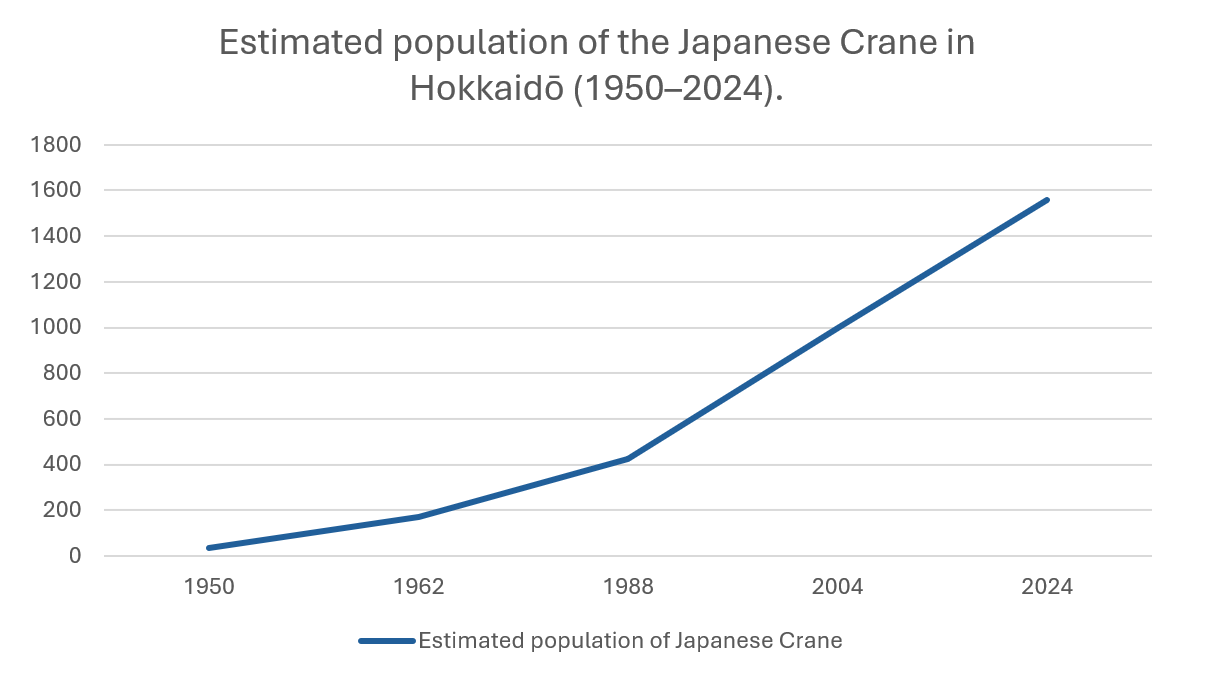
The results have been remarkable. Scientists estimate that the population numbered only 33 individuals in 1950, rising to 172 in 1962, 424 in 1988, nearly 1,000 in 2004, and more than 1,500 today. According to some staff members at the Akan International Crane Center, the current population across Hokkaidō may now be approaching 2,000 individuals.
A Success Story That Remains Fragile
Despite this spectacular recovery, conservationists remain cautious.
The present-day Japanese population descends from an extremely small number of survivors, creating a severe genetic bottleneck. As Tomoo Yoshino explains: “Genetic diversity has become very low.” He illustrates this by referring to mitochondrial DNA: while continental populations possess more than a dozen different mitochondrial lineages, the Japanese population retains only two.
This lack of genetic diversity makes the species particularly vulnerable to disease, environmental change, and inbreeding, which may lead to reduced fertility and an increased incidence of congenital abnormalities.
The risk is further amplified by the winter-feeding sites, where large numbers of cranes gather in proximity. These concentrations facilitate the spread of infectious diseases such as highly pathogenic avian influenza.
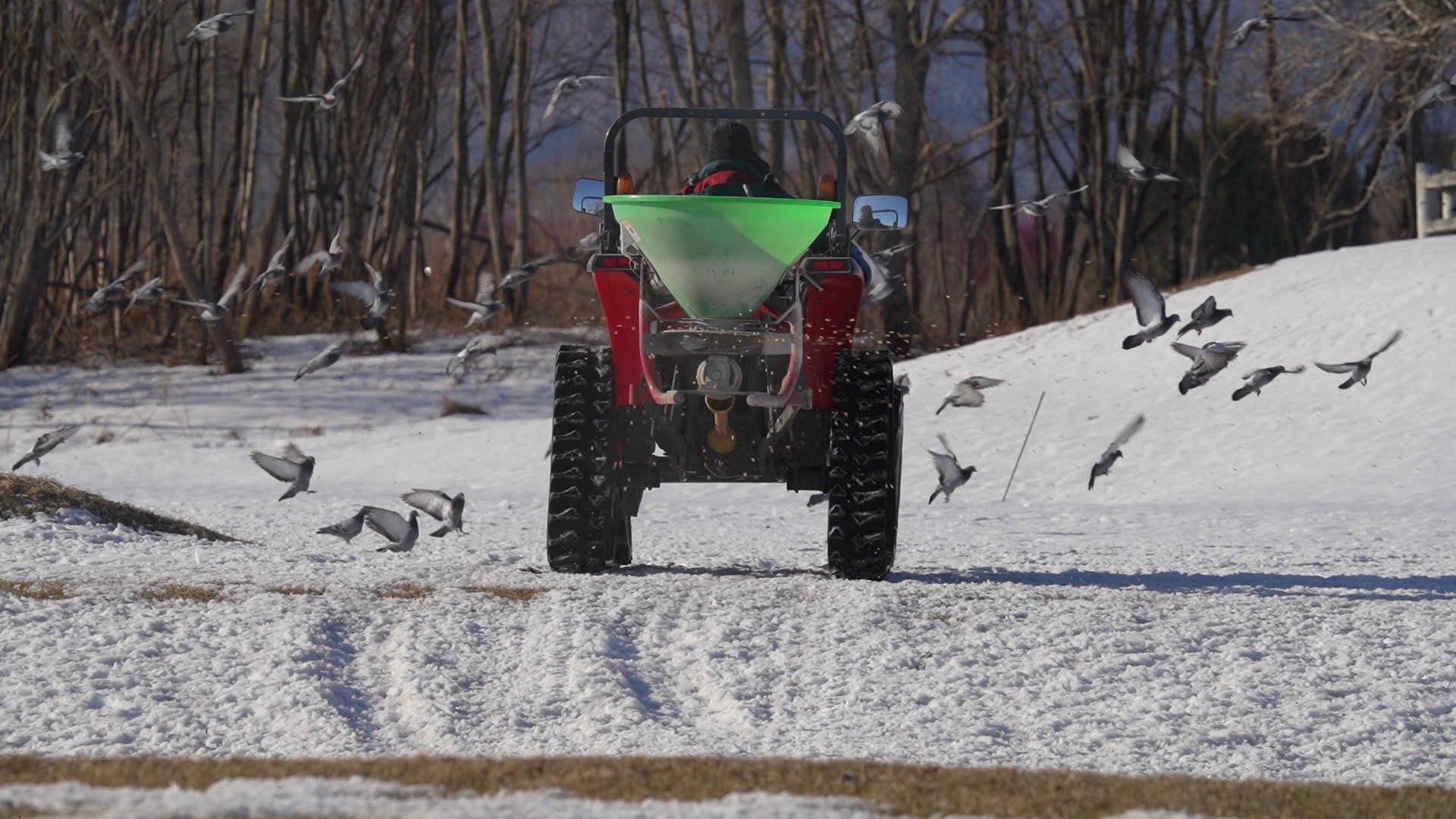 Winter feeding of Japanese Cranes at the Akan International Crane Center
A persistent dependence on feeding
The survival of cranes still largely depends on human intervention. During winter, Hokkaidō’s wetlands freeze over, preventing the birds from finding food naturally. Tomoo Yoshino points out that they need “areas of water that do not freeze during winter.” He fears that a sudden stop to feeding could return the population to its former situation: “I am afraid we will go back to the same situation as before.”
According to the center’s staff, this support therefore remains essential, even if they believe that one day this dependence should be reduced.
Historically, Japanese cranes migrated to milder regions. However, only the non-migratory population that remained in Hokkaidō during the winter survived. Thanks to artificial feeding and the support of local communities, this population gradually increased. Today, the Kushiro marshes no longer provide enough natural food resources to sustain this growing population through the winter without artificial feeding. As a result, the species still depends on it.
Current conservation challenges
Among the main difficulties is coexistence with agricultural activities. When natural resources become insufficient, some cranes feed in crop fields or enter cattle farms to consume livestock feed, causing economic losses for farmers. Centre staff even report that one farmer, exasperated by the damage, killed a crane before being sanctioned due to the species’ protected status. The gradual expansion of populations into new areas is also increasing tensions with farmers who are less accustomed to their presence.
Beyond these conflicts, scientists warn of the ongoing degradation of habitats. Marshes continue to dry out due to human activity and are gradually being colonized by woody vegetation, which transforms them into forests.
The energy transition also raises new questions. Large photovoltaic installations developed in Hokkaidō are sometimes built on former wetlands or farmland that could otherwise be used by cranes.
Accidents represent another major threat. Around 70% of recorded deaths are considered human-caused, mainly due to road and rail collisions.
Finally, climate change produces contrasting effects. While rising temperatures contribute to the gradual drying of wetlands, they may also allow cranes to survive in previously too-cold regions, with some populations already appearing to winter further away from the center. Scientists are also concerned about avian influenza and the spread of raccoons, introduced to Japan in the late 1970s following the success of the anime Rascal the Raccoon (Araiguma Rasukaru). They fear that this invasive species may prey on crane nests and eggs. To limit health risks, managers have already reduced the amount of food provided and increased the number of feeding sites to disperse the birds.
The essential role of the Akan International Crane Center
Beyond scientific research, the center carries out important outreach work. As Miyuki Kawase summarizes: “Our job is to make people love cranes.”
The institution welcomes visitors from around the world to present the species’ ecology and conservation challenges. The teams also visit schools to raise awareness among younger generations.
From a scientific perspective, researchers closely monitor populations through banding and the use of GPS trackers, which allow them to study movements, wintering areas, and the gradual expansion of their range.
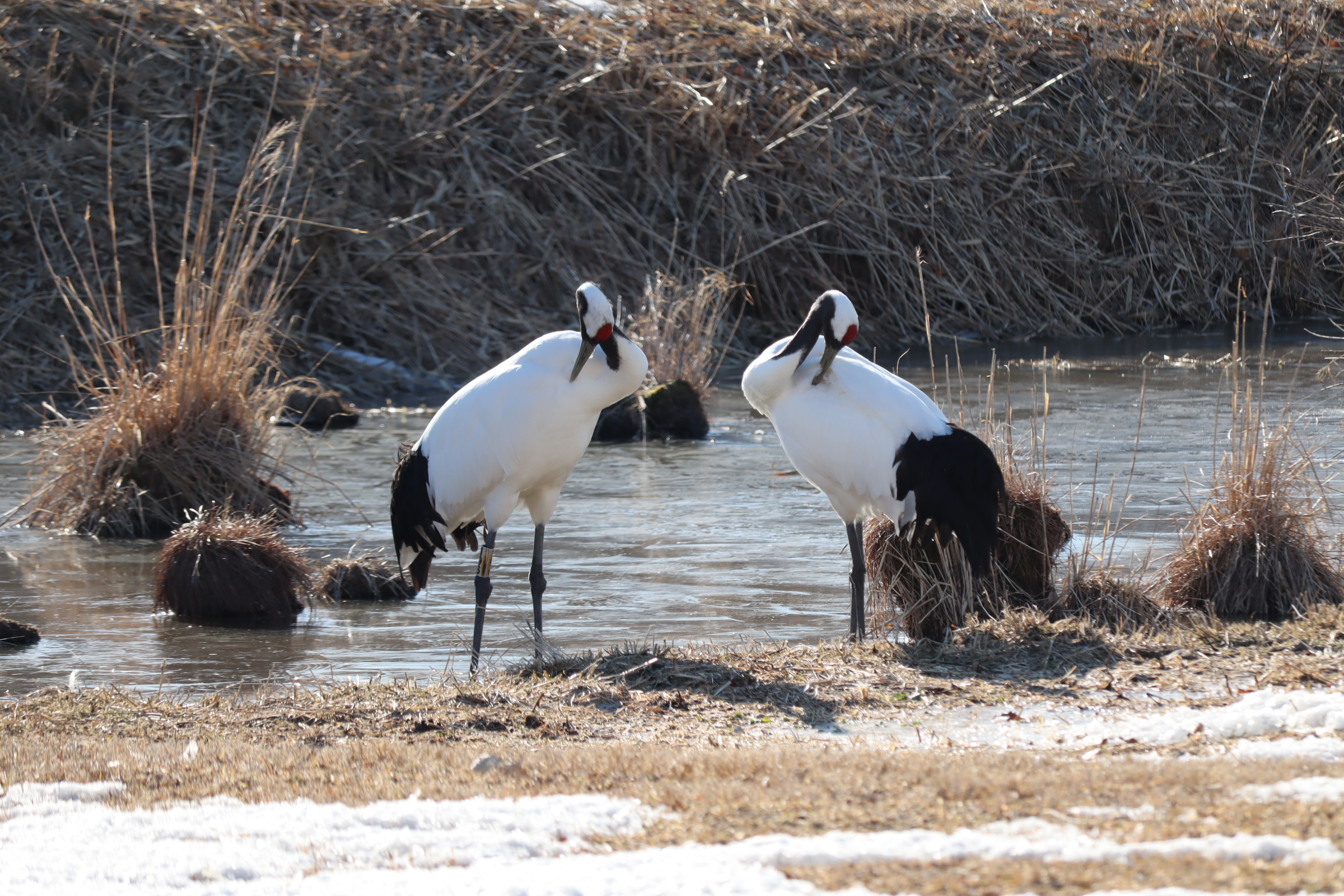 Two banded Japanese cranes at the Akan International Crane Center
A symbol of resilience
Saved from the brink of extinction, the Japanese crane has now become a powerful symbol of resilience.
Its story shows that a species can recover from the edge of disappearance when habitats are protected, local communities are involved, and conservation efforts are maintained over the long term.
However, it also serves as a reminder that conservation success remains fragile. Despite the dramatic increase in population numbers, the future of Japanese cranes still depends on the preservation of Hokkaidō’s wetlands, on balancing coexistence with human activities, and on the continuation of efforts led by institutions such as the Akan International Crane Center